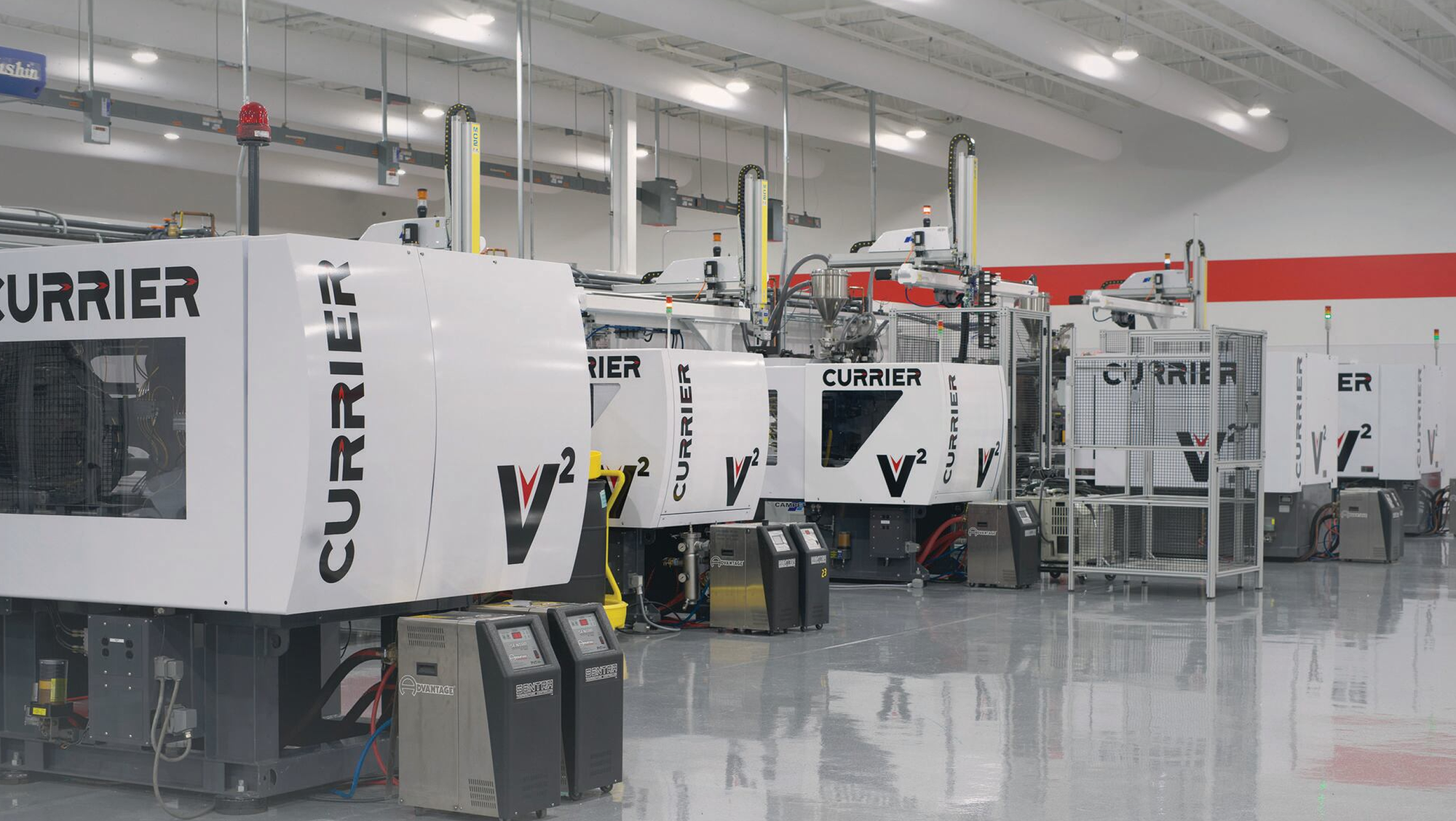
The Before
Alentra's (formerly Currier Plastics) maintenance team has always had a progressive mindset. Maintenance Manager Jason Kelley is the kind of leader who's constantly chasing whatever will make his team faster, safer, and more capable: new tools, better training, anything that gets a technician diagnosing and preventing problems instead of just reacting to them.
But even a team with that stance runs into the limits of a point-in-time maintenance model: preventive routines and manual inspection can tell you a lot about right now, and nothing about what's changing between checks. Alentra had real reasons to worry about that gap. Motors running pharmaceutical jobs could take six weeks to replace. Air compressors could shut down the entire plant. Extrusion and molding equipment needed to run 24 hours a day, 365 days a year for customers across food, medical, and pharma packaging.
The gap showed up most clearly on a single motor: it failed once, got a bearing replacement based on noise, then came back with the same problem months later, without anyone ever landing on the actual cause. That's the risk of a point-in-time approach: by the time a bearing is damaged enough to explain a failure, the evidence is often destroyed in the process of removing it, leaving the team to fix it fast without knowing why.
The Turning Point
Jason ran a PFMEA evaluation of the assets that could hurt the plant most if they failed unexpectedly. Motors with long lead times on critical jobs sat at the top of the list. That exercise is what sent him looking for a way to see trouble coming.
What They Needed
Alentra needed continuous visibility on the rotating and facility assets the PFMEA had flagged as highest-risk, with enough diagnostic direction to tell the difference between an electrical issue, a bearing problem, misalignment, or a lubrication gap, rather than just a generic vibration alert.
Underneath it all, the metrics Jason was actually managing to were MTBF and MTTR: how long an asset ran between failures, and how fast the team could get it back up once something did go down.
Just as important: a dashboard simple enough that a brand-new technician could read it without years of listening-to-bearings experience, and a team on the other end that was responsive, willing to customize, and genuinely invested in Alentra's success.
Solution Implemented
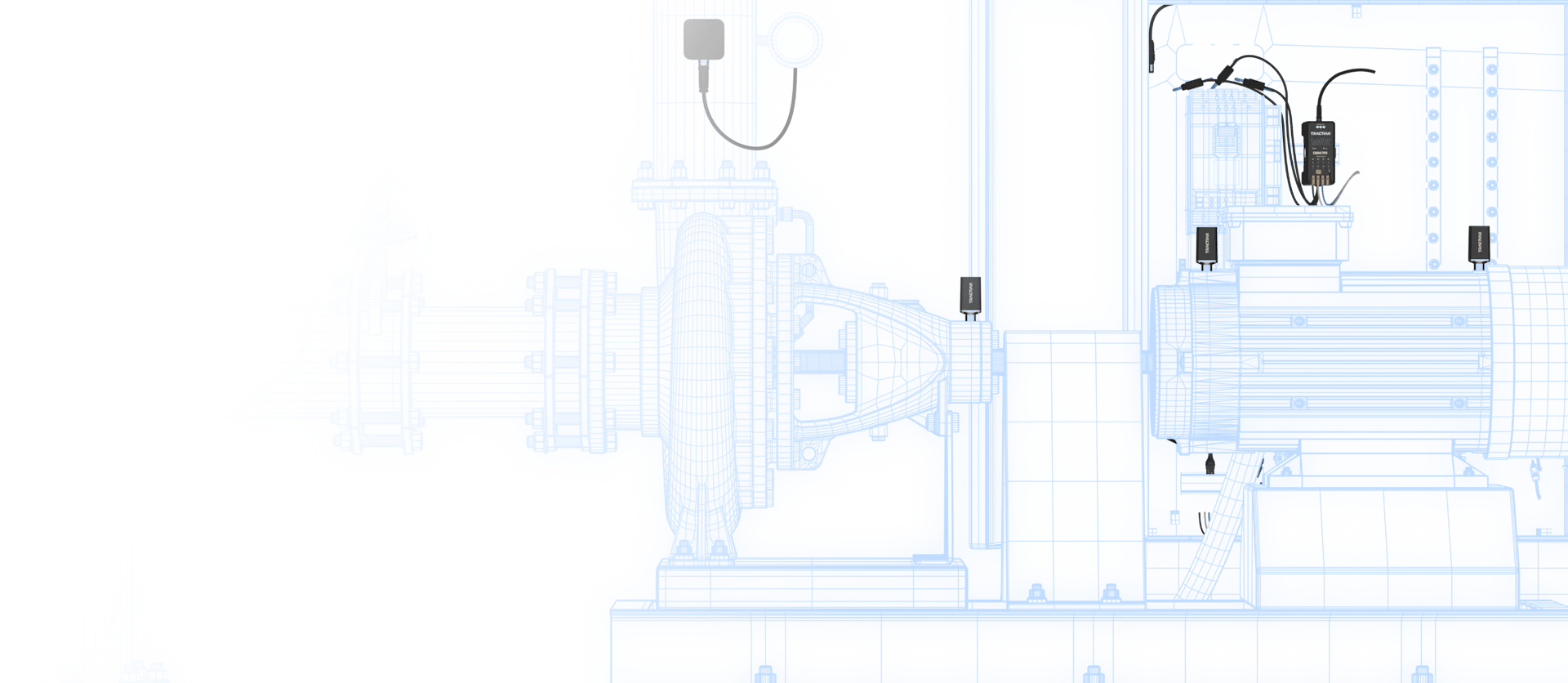
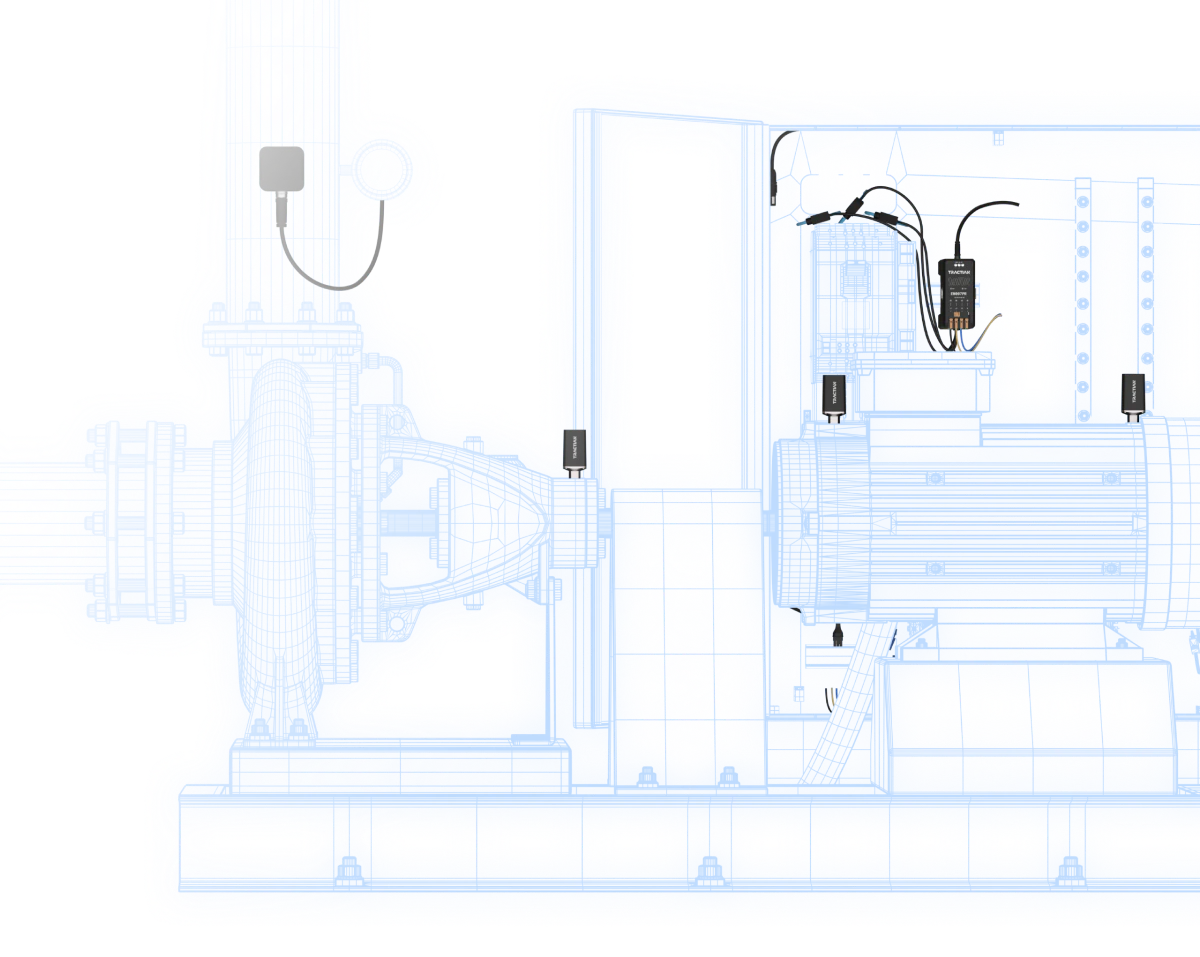
Alentra put Tractian condition monitoring on the assets its PFMEA had flagged as highest-risk across production and facilities: motors, gearboxes, compressors, pumps, and hydraulic and molding equipment. Instead of waiting for a monthly route or an audible symptom, the team now gets a diagnosis pointed at a likely root cause, cutting the guesswork out of MTTR by giving technicians a starting point before they even approach the asset.
That distinction mattered on the motor that had failed once already without a confirmed cause. This time, the system flagged an electrical-signature issue well before it became audible, and the team pulled the motor before the damage could destroy the evidence.
The shop's teardown confirmed it: bearing fluting, matching Tractian's electrical read almost exactly. As Jason put it, the system had "accurately called it out." Alentra rebuilt the motor with an insulated bearing and drive-output chokes aimed at the root cause, not just another repair.
Adoption followed quickly. Jay tracks the health of the program partly by how much his team actually uses it: logging inputs, reviewing the dashboard each morning, flagging what they see.
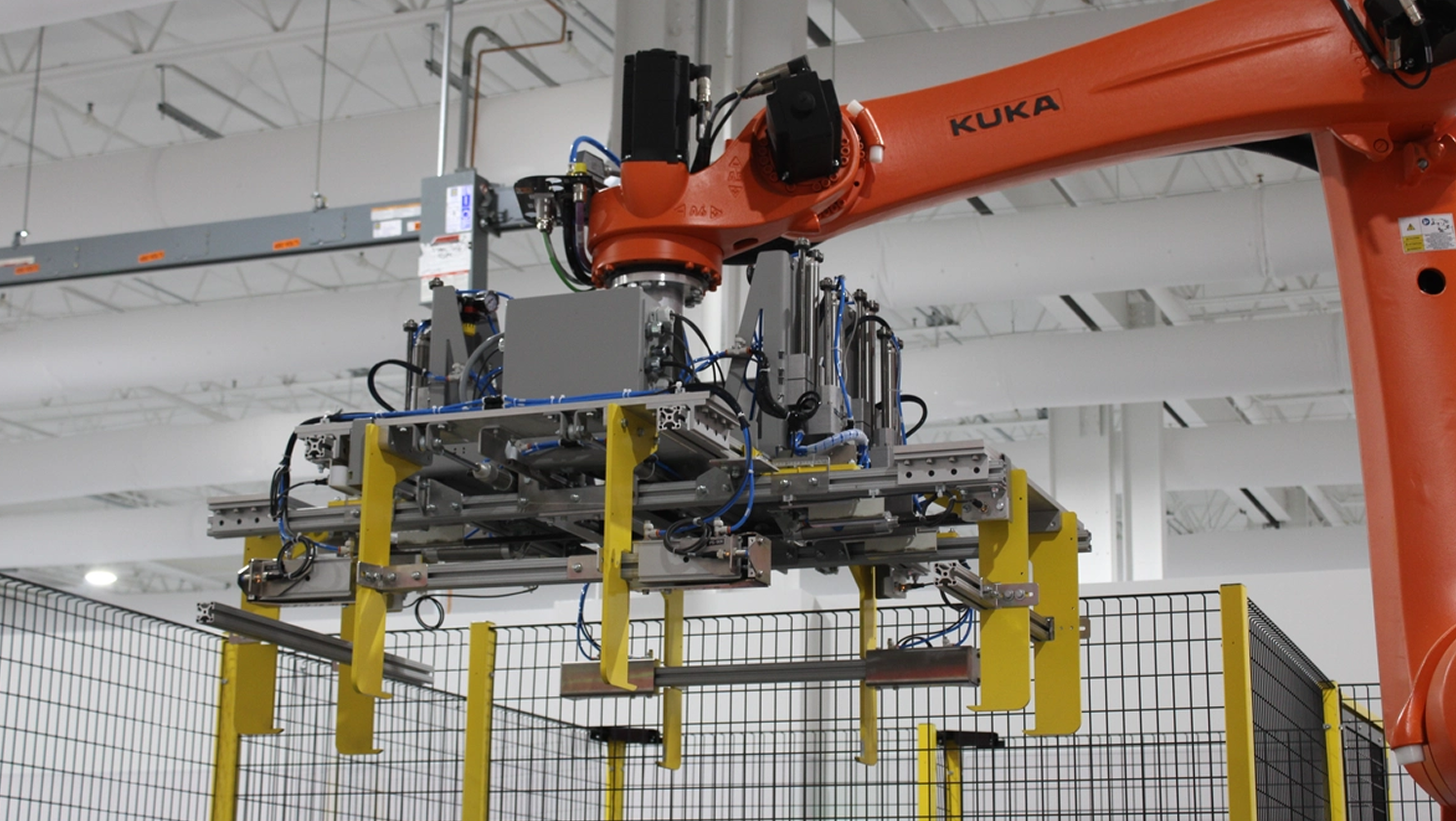
The After
- Planned downtime instead of reactive scrambles. When the team understands a failure early, they schedule around it instead of running out to fix it: smoother execution, happier planners, happier plant managers.
- Improved MTBF and better-protected critical assets. Fixing the actual root cause extends the time between failures. It also gives the team room to decide when to rebuild, when to buy a spare motor for redundancy, and when a retrofit extends an asset's life instead of waiting to replace it.
- New technicians ramp faster. A dashboard reading now carries some of the weight that used to take years of learning to hear a bad bearing, freeing Jason to keep building a team that's capable, safe, and curious rather than dependent on any one person's instincts.
- A team that's actually engaged with the tool, logging inputs, checking the dashboard daily, and growing more comfortable with it every month.
- A clearer ROI story to bring to leadership. The team now has trend data and documented catches they can put in front of leadership directly: a straightforward way to show the bottom-line case for the investment.
him that's part of the same strategic story as root-cause data and consistent planning, proof that maintenance isn't just a support function, but a program worth investing in.
What's Next
Alentra is already thinking beyond where the program stands today, looking at broader coverage across the plant and new ways to put the data to work, with more sites potentially in the picture down the line.
If your team is ready to trade guesswork for confidence, and give your newest technicians the same edge as your most experienced ones, let's talk about what that could look like for your plant.