
The Challenge
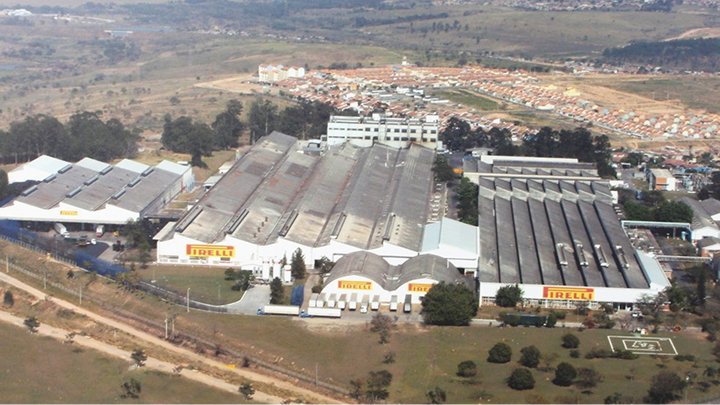
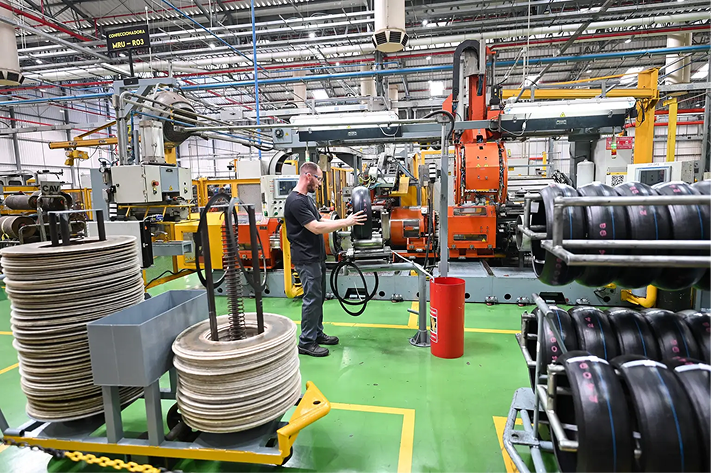
Pirelli runs a high-output tire manufacturing plant with 2,800 people and a maintenance operation that has to keep pace with continuous production. When they deployed Tractian condition monitoring sensors across their critical assets, the technical foundation was in place, but turning that infrastructure into a fully functioning reliability program is a different challenge entirely.
The real work is organizational. Getting a large maintenance team to consistently engage with a new monitoring platform, build trust in the data, and act on alerts as part of daily routine takes deliberate effort:
- Asset records need to be complete enough to generate precise diagnostics,
- Sensors need to be positioned correctly to deliver uninterrupted signal,
- And leadership needs visibility that's reliable enough to base decisions on.
At the scale Pirelli operates, closing the gap between "sensors deployed" and "reliability program running at full effectiveness" requires more than good technology. It requires a partner willing to do that work alongside them.

The Solution
Most technology vendors measure success at deployment. Tractian measures it when the program is running at full effectiveness and stays engaged until it gets there. At Pirelli, that commitment made all the difference.
Weekly alignment meetings were established to work through the gaps methodically and when remote diagnosis wasn't enough, the team scheduled an on-site technical visit.
One of Tractian's core advantages came into play here: the sensors run on 4G/LTE and connect directly to Tractian's receivers. No Wi-Fi, no IT infrastructure, no network dependencies. Each receiver handles up to 100 sensors with a line-of-sight range of 3,300 feet.
For a plant the size of Pirelli's, that means full coverage without the coordination overhead that typically stalls deployments. Sensors were installed during scheduled preventive maintenance windows and planned production stops, and asset records were built to give the platform the technical context it needs to generate specific, actionable alerts.
Then came the human side. Tractian helped Pirelli define who owned what: key platform users were identified, trained, and given clear accountability. A factory floor plan dashboard was built for always-on plant visibility. Tractian even showed up at Pirelli's internal maintenance events to present the program and put sensors on the exhibition floor to drive engagement from the shop floor up.
Impact
The results reflect what happens when adoption is treated as part of the product, not an afterthought.
- 98% alert check-in rate - technicians consistently acting on what the sensors flag
- 77 failures identified across the asset base
- Zero recorded breakdowns on monitored exhaust systems since deployment
The catches were real. A gearbox flagged a potential gear wear signal. The team investigated, found an undetected oil leak, corrected it, and pulled scheduled preventive maintenance forward by a day. Everything was intact at inspection.
A transferred piece of equipment running outside its original spec was monitored continuously in real time until a fix could be implemented. During that window, a sensor alert caught a closed damper causing a cooling fault before any bearing damage occurred.
None of that happens without data you can trust. And data you can trust doesn't happen without a team committed to making the project work.
What's Next
With full sensor connectivity established and a trained team running weekly monitoring reviews, Pirelli's reliability program has a foundation it didn't have before.
The next phase is using that foundation to do more: refining diagnostic precision with richer asset data, expanding coverage to additional equipment, and turning condition monitoring from a detection tool into a direct input for maintenance planning decisions.