
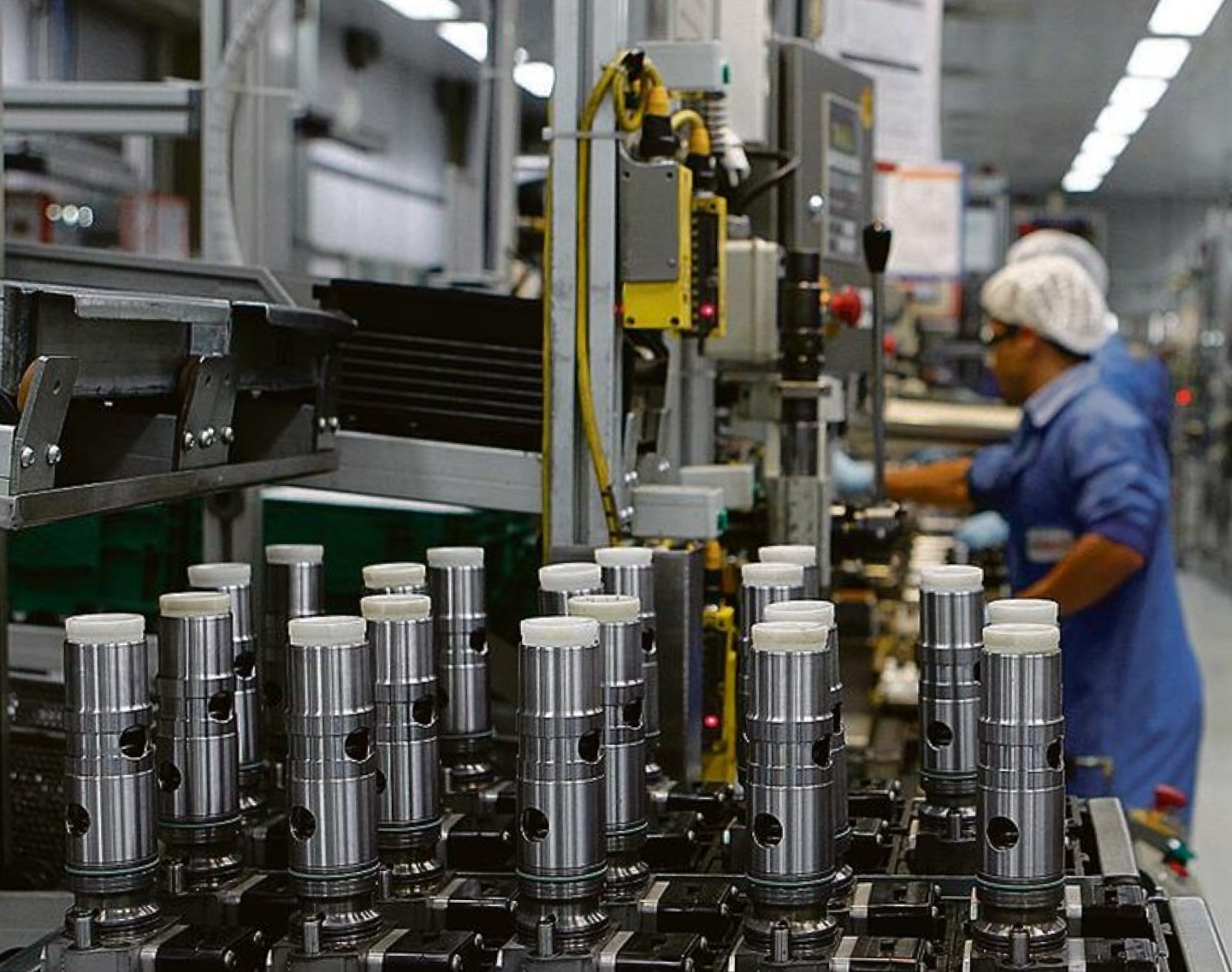
A major Bosch facility, with thousands of assets under management, was facing growing pressure to reduce reactive maintenance and improve operational predictability. To address this, the team implemented a custom AI solution integrated with Tractian’s condition monitoring sensors to identify recurring failure patterns and automate maintenance prioritization.
The Challenge
Despite having a large volume of maintenance records, the data analysis was entirely manual. For a facility with over 2,000 assets and more than 35,000 work orders per year, this made it nearly impossible to act strategically.
Work order descriptions were inconsistent and unstructured, making it difficult to identify repeat failures. Prioritization was based only on generic urgency levels like high, medium, or low, with no connection to asset criticality or operational impact.
The lack of integration between sensor data and failure records resulted in more reactive interventions and low visibility into what would fail next.
The Solution
To solve this, the Bosch team built an internal AI tool called mAIntenance, designed with Natural Language Processing (NLP) and the Levenshtein algorithm. The tool scans through all work order descriptions, finds recurring patterns, and flags failures that happen more than once.
If the same failure appears three times within 15 days, the system automatically generates a preventive work order, assigning it high priority.
With Tractian sensors installed, the team also connected real-time vibration and temperature data to these patterns, enabling them to anticipate failures based on both past and present indicators.
Workflow Optimization
The success of the AI tool required more than just software. Bosch restructured its maintenance routines, holding weekly alignment meetings between engineering and maintenance teams to review AI-generated alerts.
A dedicated group was put in charge of validating alerts and ensuring fast action when potential failures were detected. This shift created a more proactive workflow and fostered stronger adoption of data in daily operations.
Impact and Outcomes
By combining predictive analytics with real-time machine monitoring, Bosch saw meaningful results:
- 29% reduction in recurring failures
- 17% increase in planned maintenance
- 100% of high-impact failures prioritized by AI