Sherwin-Williams, one of the world’s leading manufacturers of coatings, implemented Tractian’s real-time monitoring system to boost operational predictability across its powder coating production lines. The project aimed to reduce unplanned downtime through proactive maintenance practices and continuous equipment monitoring.
With the new system in place, the site increased equipment availability, reduced costs tied to parts and overtime, and improved overall operational efficiency. In addition to saving over $13,000 directly, the initiative helped avoid an estimated $150,000 in production losses. These outcomes strengthened asset reliability and plant productivity, laying the foundation for scaling smart maintenance practices to other areas of the company.
The Challenge
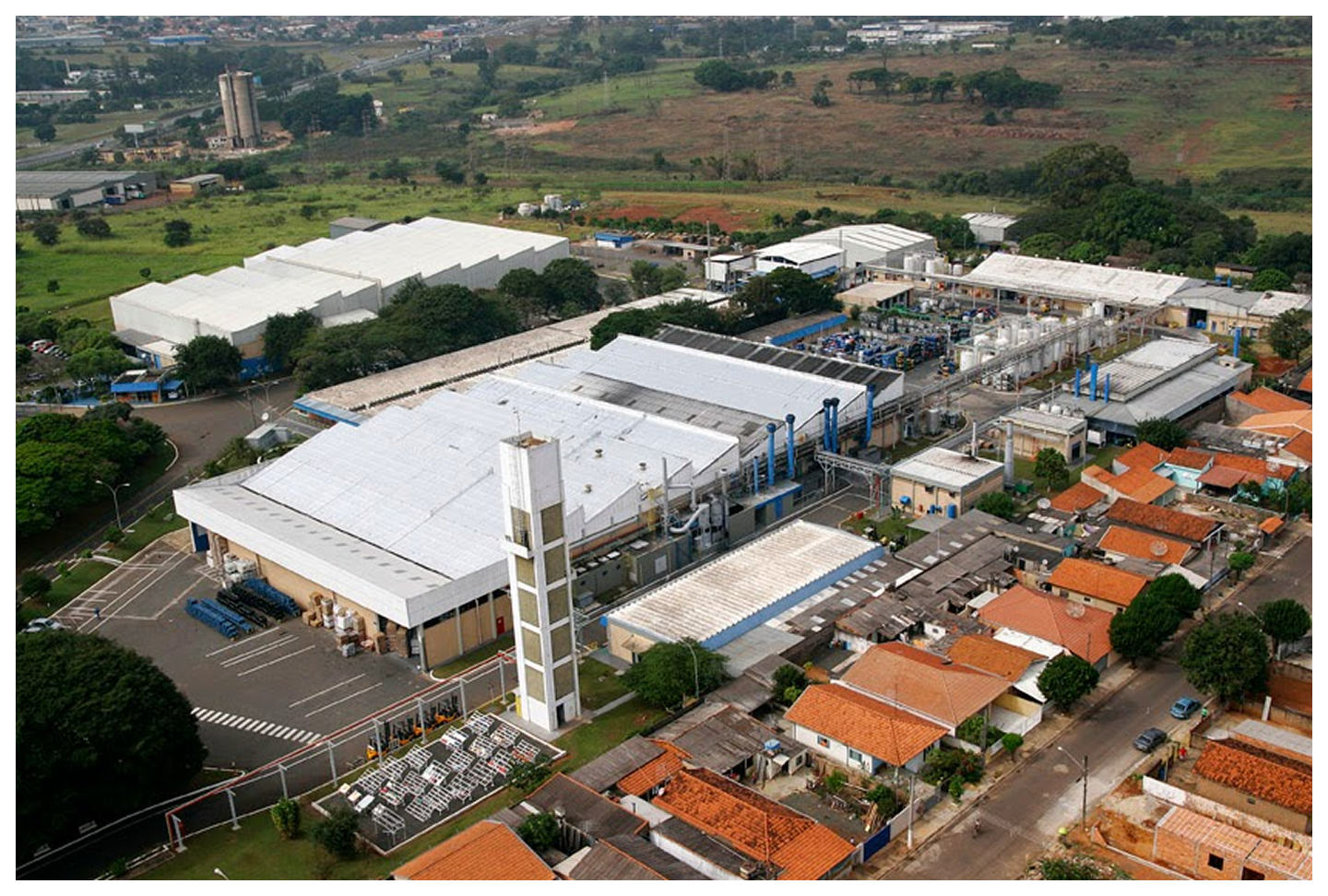
The site faced recurring unplanned downtime on its powder coating lines due to equipment failures and a heavy reliance on reactive maintenance. These events impacted productivity, drove up costs for parts and overtime, and made it harder to meet delivery deadlines. The lack of real-time data and failure predictability led to poor planning and inconsistent production performance.
The Solution
Tractian sensors were installed on key motors across the powder coating lines to enable continuous condition monitoring. The system detects abnormal patterns—like vibration spikes and temperature shifts—that indicate wear or potential failure, allowing the team to address issues before breakdowns occur.
All data is streamed in real-time to a central platform, giving the maintenance team technical evidence to prioritize the right interventions. With this new visibility and control, maintenance routines became more organized and strategic, reducing guesswork and increasing efficiency.
Results and Business Impact
The implementation of online monitoring significantly reduced unplanned downtime. Maintenance became more structured and data-driven, allowing faster, more accurate interventions. Equipment ran more reliably, and production gained predictability, moving away from the previous cycle of frequent failures and operational uncertainty.
- 564 hours of downtime prevented
- 20% reduction of corrective maintenance